IC Studio
OPERATIONAL SYSTEMS FOR GROWING SERVICE BUSINESSES

When your business grows, your systems need to grow with it.

We help service businesses understand what needs to change and build what comes next — connecting processes, data and software around how the business actually works.

One underlying pattern

What happens when a business outgrows its systems

The symptoms look different from company to company. The underlying pattern is often the same: the business has evolved faster than the systems supporting it.

Choose your starting point

If the starting point is unclearStart with Operational Discovery
Cases

How systems change as businesses grow

Different industries, but a familiar turning point: the business has grown beyond the way its operations and systems were originally organised.

01
AKTIVISTSChildcare & Education
ERP · System Evolution

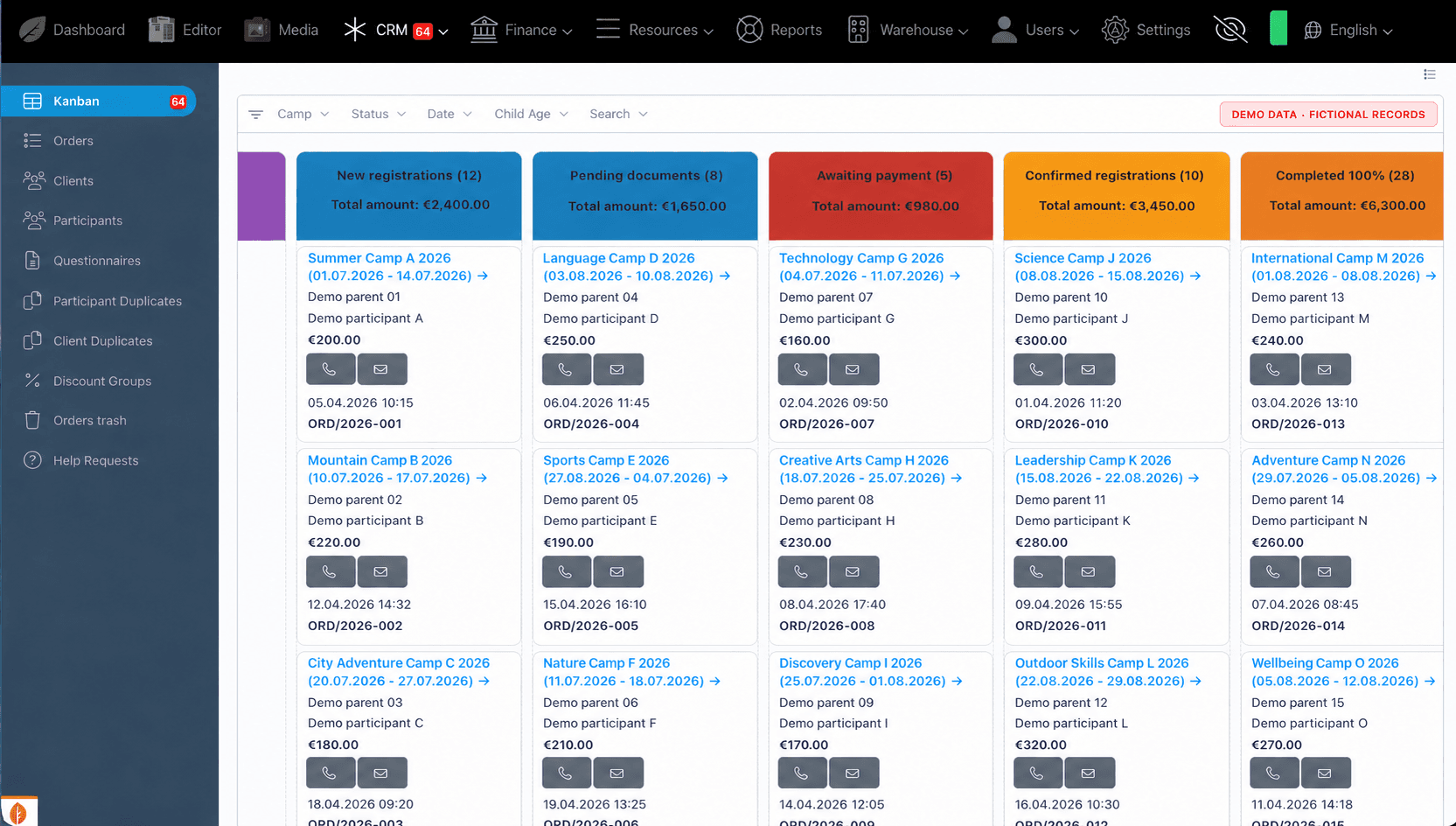
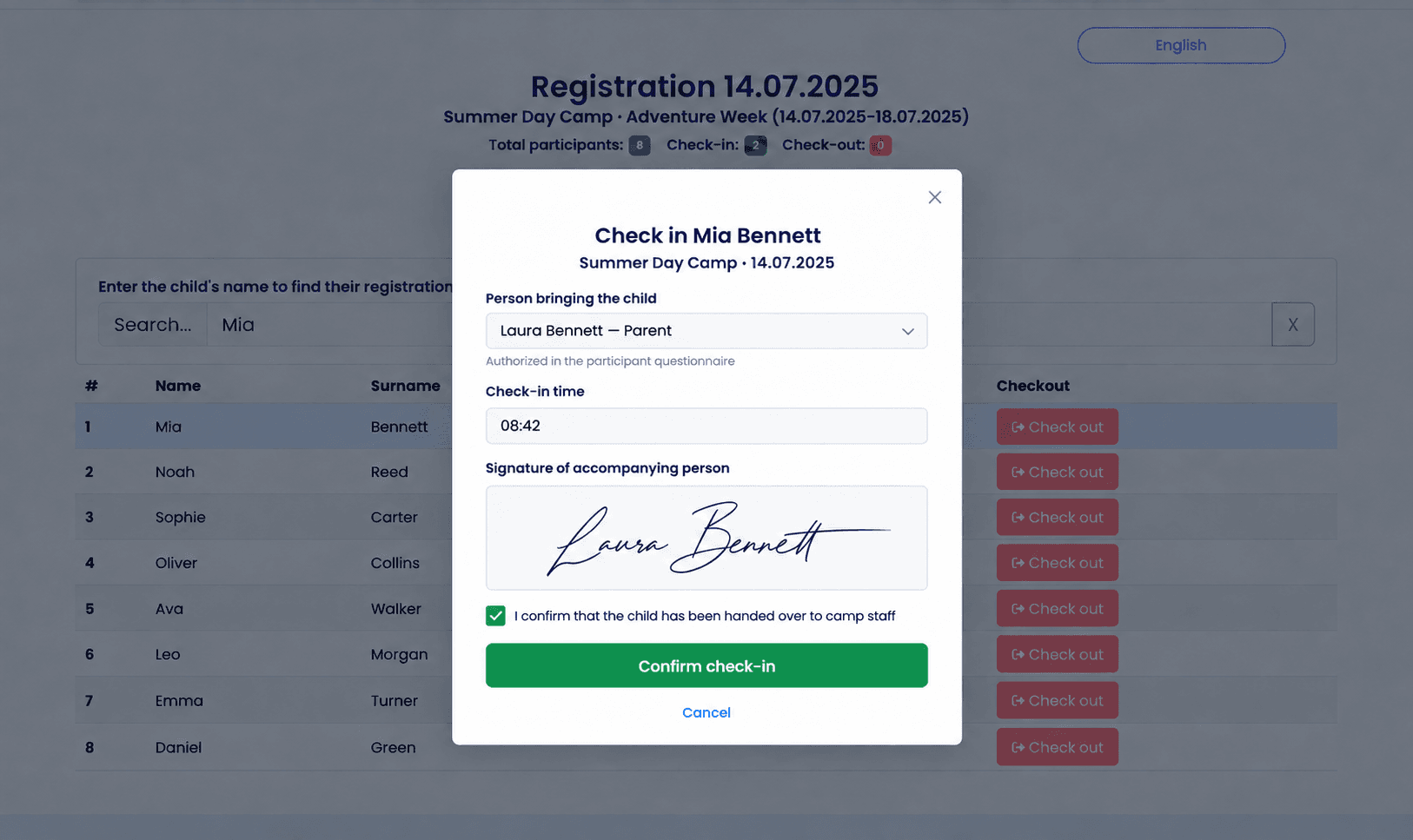
From order tracking to an operational platform for camp management

As the business grew, new scenarios emerged: payments, documents, check-in, attendance, role-based workflows, and edge cases.

What changed

Operational processes were gradually unified into a single operating software system that continues to evolve with the business.

System today

Payments, documentation, check-in, and daily attendance run smoothly in one connected operational workspace.

Read case study
02
GOLDEN LOMBARDFinancial Services
CRM · Evolution + Self-Service
CRM→ONLINE CABINET→CRM
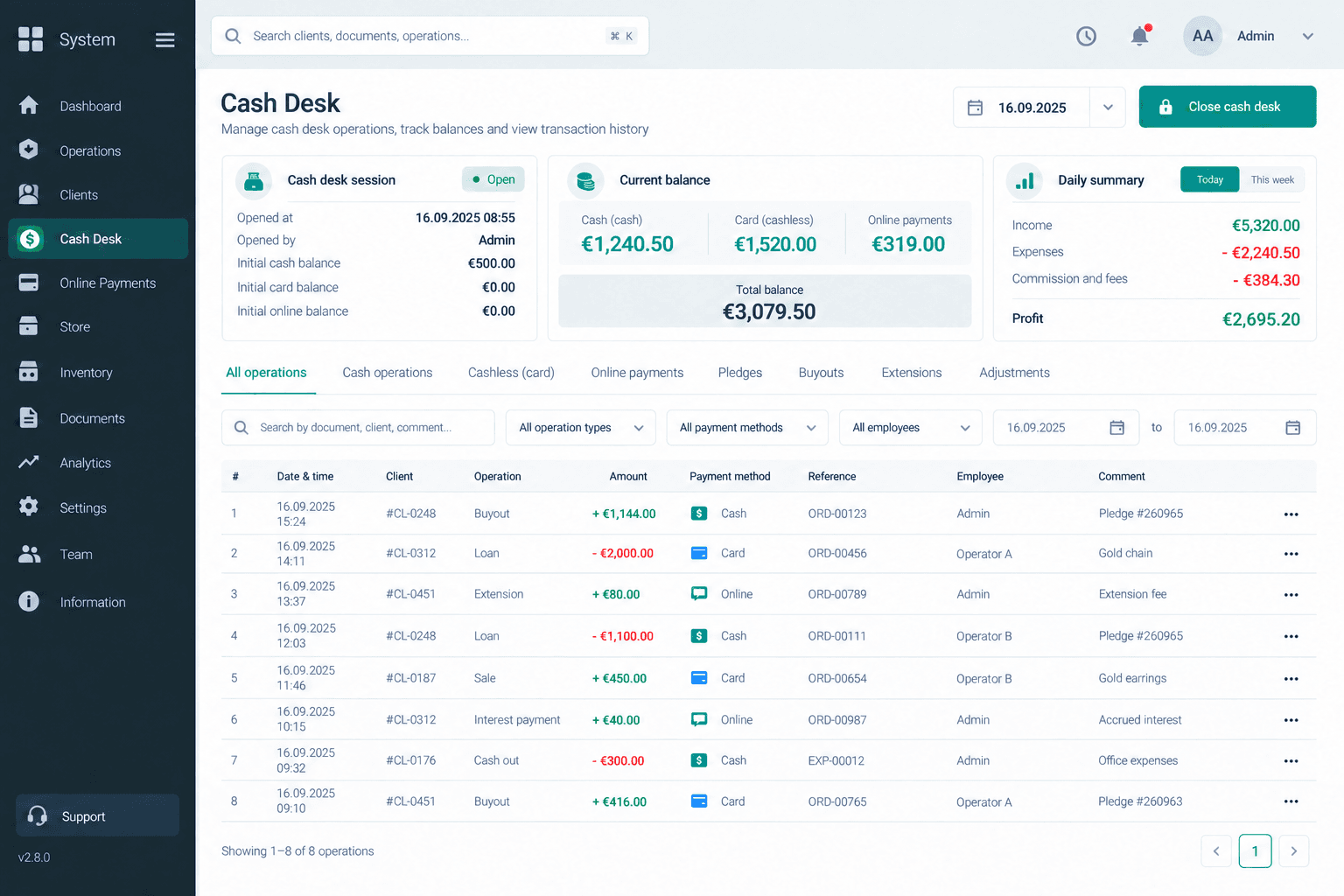
Golden Lombard CRM cash desk
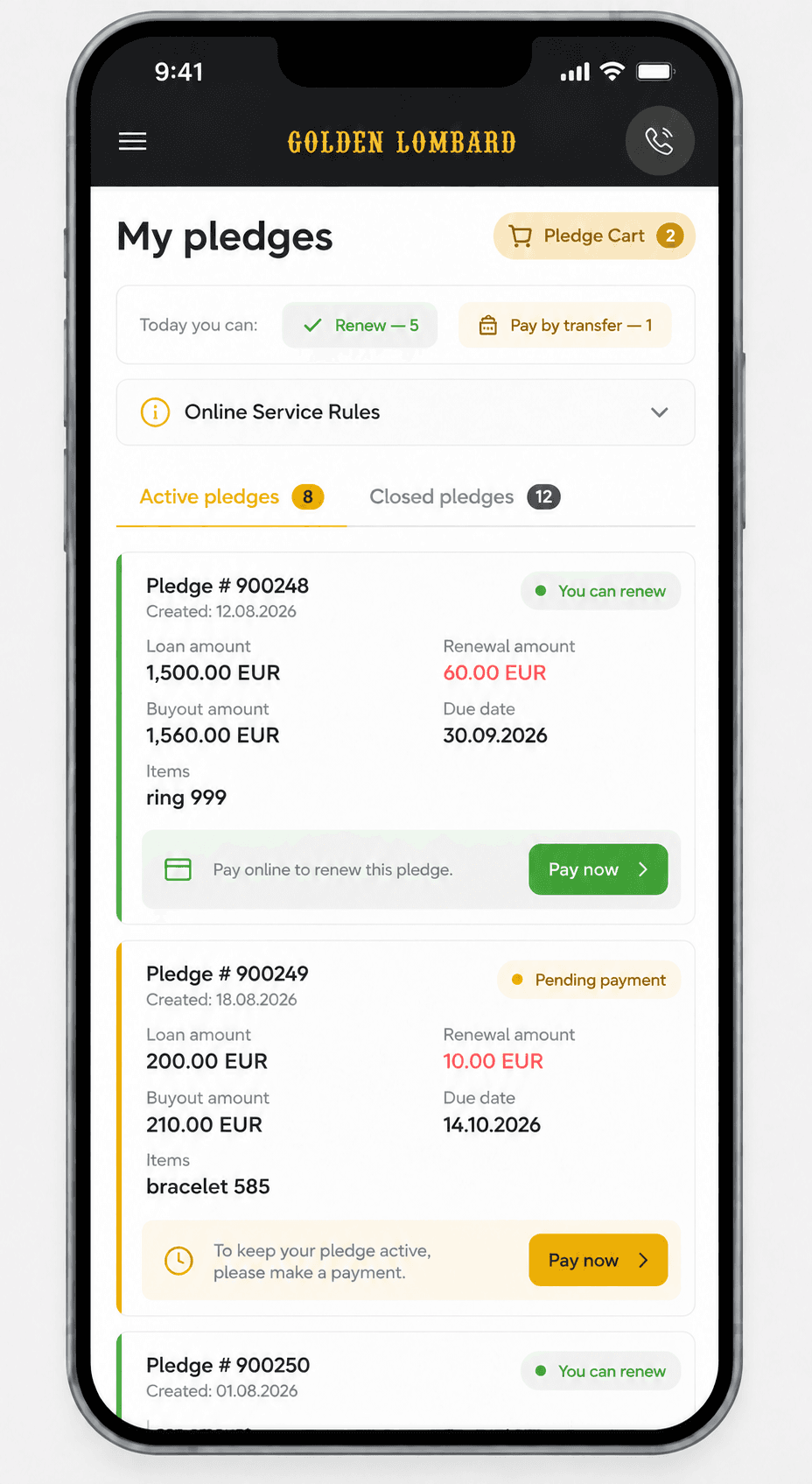
Golden Lombard client portal
✓ Cash desk up to date
Renewal and redemption — online ✓ Agreement and record in CRM

From internal CRM to digital customer self-service

As the branch network and operating requirements grew, the system had to support financial accounting, collateral management, regulatory workflows, integrations and staff operations as one connected process.

Next phase

Customer portal shifts service load into self-service while connecting customer actions directly with internal operations.

System connection

Customer portal actions are directly governed by the operational rules of the internal CRM.

Read case study
03
HVAC E-COMMERCEB2B E-Commerce • HVAC
Customer Operations · AI-assisted

Scaling customer operations during peak demand

During peak season, inquiry volume surged almost 10x. Customer operations needed to handle routine questions and qualify demand without placing every interaction on experienced managers.

What changed

AI-assisted lead qualification and customer support handle initial consultations, alternative matching and lead capture, forwarding purchase-ready clients to the team.

System result

Hallucination rate reduced to 1% · Knowledge base expanded by 300% · 3 automated business actions.

Read case study

Where Business Operations, System Architecture and Software Engineering meet.

Proven experience

Different businesses. Real operational contexts.

Experience with systems supporting financial operations, B2B and B2C services, e-commerce, industrial services and repairs.

01 /

Financial operations and payments

Golden Lombard
Transferra
02 /

Services and client operations — B2B and B2C

Merci
Kabimed
AKTIVISTS
03 /

Industrial services and repairs

Gree
Amrita Services
04 /

E-commerce

SushiHouse
Sanni Bakery
Vivat
Книголенд
How we work together

How we build systems that evolve with the business

Development is not the starting point. We first understand how the business works and decide what should change.

01
Understand

Understand how the business works

We examine processes, customer journeys, information flows, dependencies and existing systems.

02
Architect

Architect the right change

We determine what should stay, change, connect, be automated or be built.

03
Build

Build in iterations

We implement the appropriate solution in iterations and refine it through real operational use.

04
Evolve

Evolve with the business

We continue adapting the system as the business, processes and requirements change.

Operational outcomes

What changes when operations work as one system

Information stops being reconstructed across systems. Routine coordination moves into the process itself. Teams can see what has happened, what needs attention and what comes next.

  • 01

    Connected information

    Teams work from current information without repeatedly moving the same data between systems.

  • 02

    Less manual coordination

    Checks, handoffs and repeated actions become part of a clear, supported process.

  • 03

    Clearer workflows and visibility

    Teams can see what has happened, what needs attention and who is responsible for the next step.

  • 04

    Systems ready for further growth

    New services, roles and requirements can be added without rebuilding the operating model around workarounds.

Who you work with

The founders stay involved in every project

We stay involved from the first conversations about the business through the key architectural and technical decisions. We bring in specialists with the right expertise as the project requires, while keeping the overall context and key decisions with the founders.

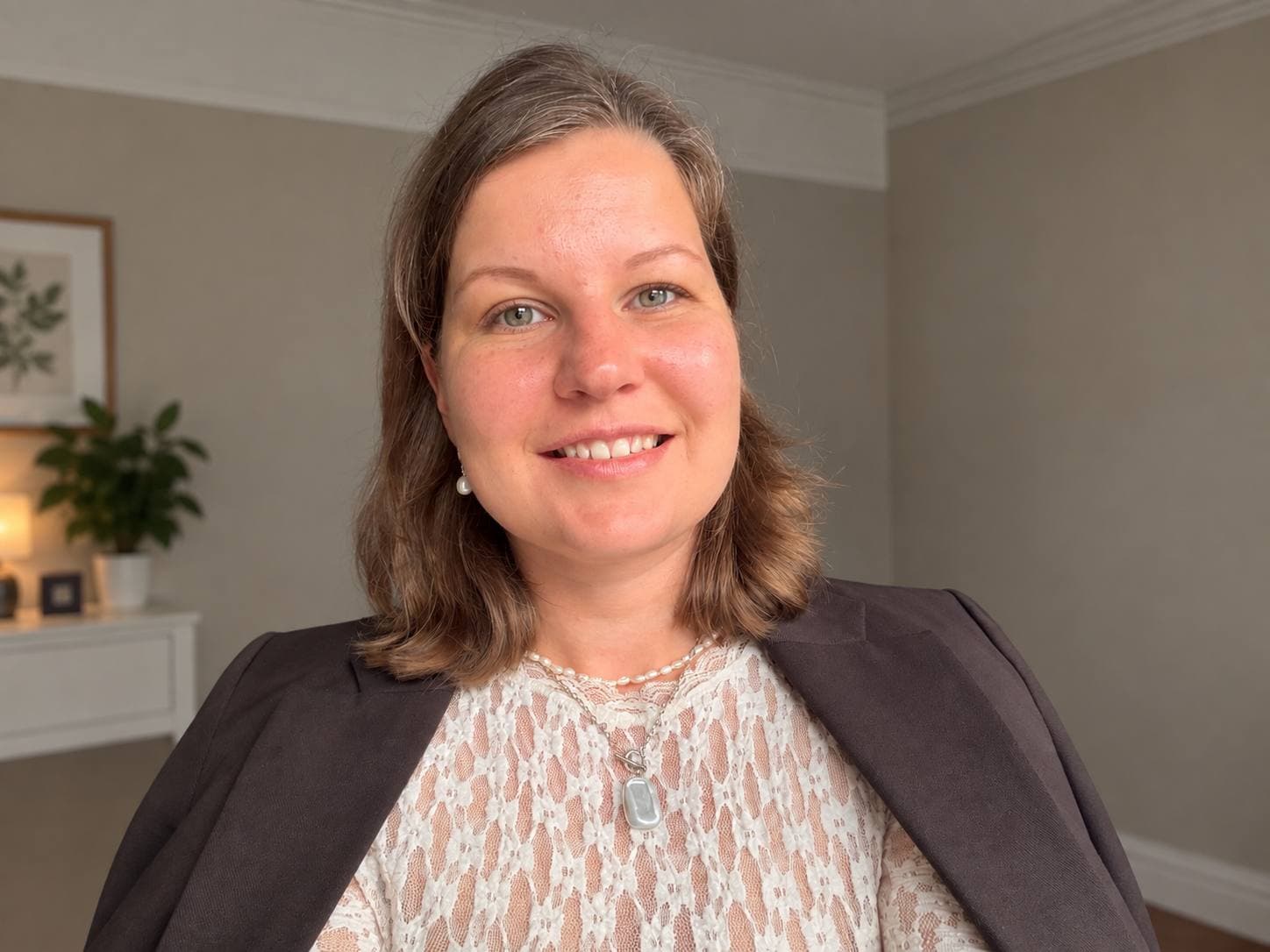
Valentyna Yurchenko

Valentyna Yurchenko

Co-founder · Business Systems & Operations

From complexity to clarity

Understands how the business actually works and where existing processes and systems are starting to fall behind its growth. Helps work out what should stay, what should change and how the system needs to work next.

LinkedIn
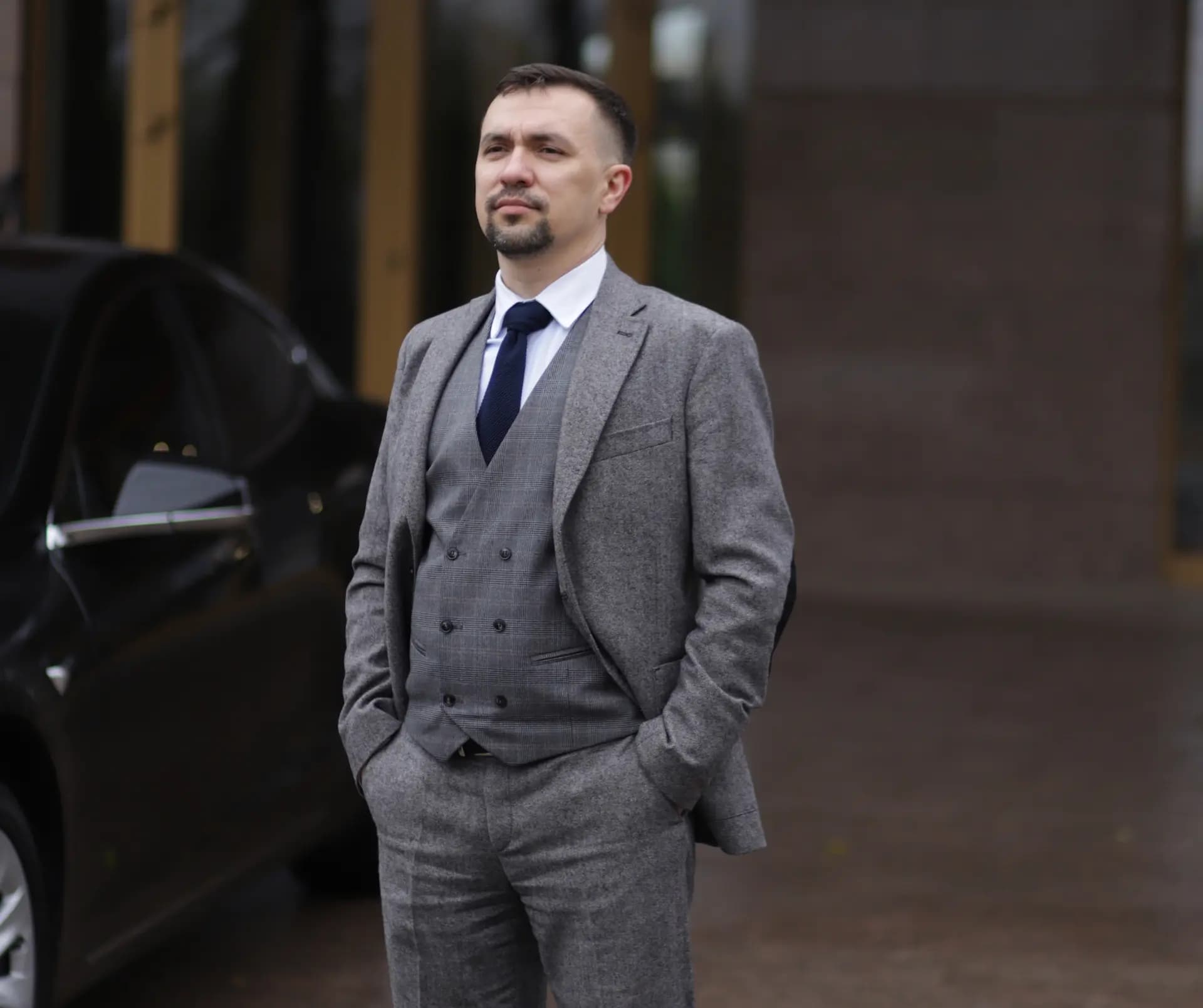
Ihor Chyshkala

Ihor Chyshkala

Co-founder · Technology & Engineering

From idea to working system

Leads the architecture and technical implementation. Finds an approach that works for the business now without becoming a constraint as its processes and requirements change.

LinkedIn
Track record & continuity

Built to evolve. Proven over years.

Our work ranges from focused integrations and new digital services to operational systems that remain in active development for years.

01 / CONTINUITY5+ YEARS

Long-term operational systems

Some of the systems we work on have grown with the businesses behind them for more than five years.

02 / DEPTH900+

Improvements in one operational platform

One long-term ERP has grown through more than 900 documented improvements as the business and its operational requirements changed.

03 / Operational scope
From core operationsConnected ecosystem

Systems can take on a much bigger role

Our long-term systems have expanded across internal operations, finance, documents, compliance, customer journeys and self-service.

What system evolution can look like

  1. Core workflow
  2. Connected processes
  3. Finance & data
  4. Compliance & control
  5. Customer-facing services
  6. What the business needs next

The point isn't to predict every future requirement. It's to build a system that can accommodate what the business becomes next.

Explore selected work →
Let's talk

When your business outgrows its internal systems, we help you build what comes next.

If your operations have become more complicated than they should be, let’s identify what needs to change — and what doesn’t.